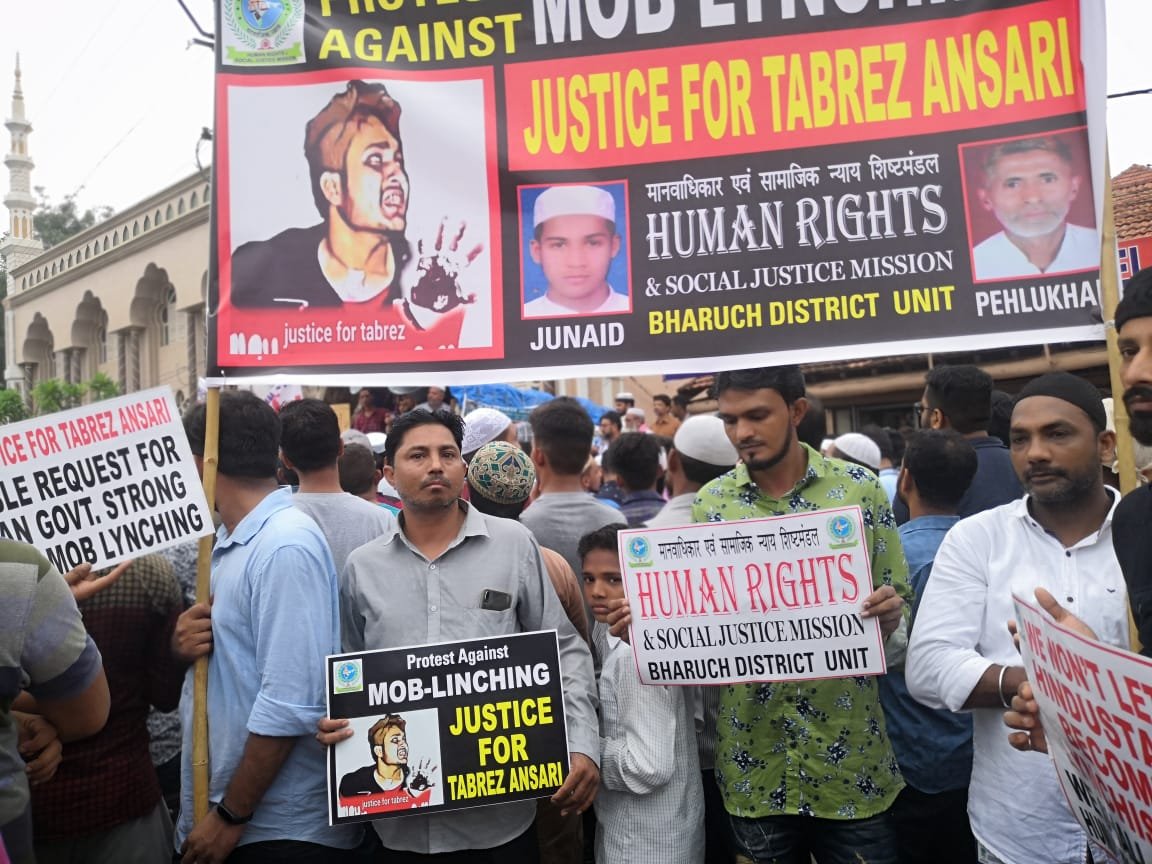
LINCHING IS A VIOLATION OF SOCIAL JUSTICE IN INDIA
-
by
 Admin
Admin
 Admin
AdminTitle: Understanding Why Lynching is a Violation of Social Justice in India
Introduction:
Lynching, a barbaric act that has no place in a civilized society, remains a pressing issue plaguing the social fabric of India. The deliberate act of extrajudicial punishment by a mob not only violates the fundamental rights of individuals but also undermines the very essence of social justice. In this blog post, we delve into why lynching is considered a grave violation of social justice in India and explore the implications it has on our collective conscience.
Main Content Sections:
1. The Menace of Lynching in India
Lynching incidents have been on the rise in recent years, fueled by misinformation, communal tensions, and lack of effective law enforcement. From accusations of cow slaughter to rumors of child abduction, lynching mobs often target marginalized communities with impunity. This form of vigilante justice bypasses the judicial system and perpetuates a culture of fear and mistrust.
2. Violation of Human Rights and Dignity
At the core of every lynching incident lies a gross violation of human rights and dignity. Victims are subjected to brutal violence, often resulting in loss of life or severe injuries. The lack of due process and accountability further compounds the injustice faced by those targeted by such heinous acts. Upholding the principles of social justice requires safeguarding the rights and dignity of every individual, irrespective of their background or beliefs.
3. Impact on Social Cohesion
The ripple effects of lynching extend far beyond the immediate victims, impacting entire communities and eroding trust among diverse groups. Social cohesion, essential for fostering harmony and inclusivity, is fractured when fear and suspicion prevail over empathy and solidarity. Addressing the root causes of lynching requires not just legal interventions but also societal introspection and dialogue.
Practical Examples and Case Studies:
– The infamous Dadri lynching case highlighted how false rumors can incite violence against innocent individuals.
– The Alwar lynching incident underscored the urgent need for swift justice to prevent further atrocities.
– Initiatives like ‘Not In My Name’ protests have brought public attention to the scourge of lynching in India.
FAQ Section:
Q: What drives mobs to engage in acts of lynching?
A: Mobs are often fueled by misinformation, prejudices, and a sense of impunity that stem from weak law enforcement mechanisms.
Q: How can we combat the menace of lynching?
A: Effective law enforcement, community outreach programs, media literacy campaigns, and advocacy for legal reforms are crucial steps towards combating lynching.
Conclusion:
In conclusion, lynching stands as a stark reminder that social justice cannot be achieved without upholding human rights, dignity, and equality for all members of society. By addressing the root causes behind this abhorrent practice and fostering a culture of empathy and respect, we can strive towards building a more just and inclusive society for future generations.
Remember that combatting such systemic issues requires collective action from all stakeholders – individuals, communities, policymakers, and civil society organizations – to root out injustice at its core.
By understanding why lynching is a violation of social justice in India and taking concrete steps towards preventing such atrocities, we can pave the way for a more equitable and compassionate society where every individual’s rights are respected.
Let’s stand together against injustice – because only through unity can we truly uphold the principles of social justice in our diverse nation.
Optimizing this content with relevant keywords like “lynching,” “violation,” “social justice,” “India,” will ensure it reaches audiences searching for information on this critical issue while providing valuable insights into addressing systemic injustices within our society.
Please follow and like us: